


Related Articles


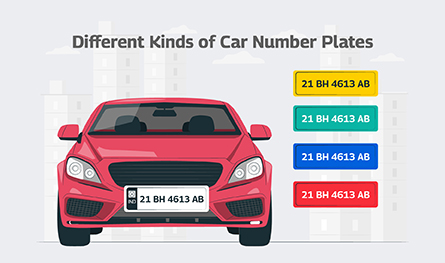
Explore the complete guide to different kinds of car number plates in India in 2026, including HSRP rules, BH series, green EV plates, users of each type, penalties, and how they connect to IRDAI motor insurance guidelines. Simple explanations with tables for easy understanding.
HSRP is compulsory in 2026; non-compliance attracts fines from ₹1,000 to ₹10,000.
BH series offers hassle-free pan-India use for eligible government and private-sector employees.
Green plates are only for pure electric vehicles and promote cleaner transport.
Plate colour decides whether you need private, commercial, or EV-specific insurance.
IRDAI ensures third-party cover is mandatory and encourages buying motor insurance policy online with add-ons like personal accident insurance.
Regular checks on VAHAN portal keep your registration and insurance details updated.
India has millions of vehicles on its roads, and every one of them must display a clear number plate that follows strict government rules. These plates are not just for identification—they help police, transport officers, and insurance companies understand the vehicle's purpose, ownership type, and fuel used. In 2026, the system is more organised than ever, thanks to the High Security Registration Plate (HSRP) mandate and updates from the Ministry of Road Transport and Highways (MoRTH). All plates must now be tamper-proof, reflective, and linked to a central database through the VAHAN portal. This makes tracking easier and reduces fake plates or thefts.
Whether you own a family car in Mumbai, ride a scooter for daily commute, or run a small delivery business, knowing the plate rules keeps you legal and helps when you buy or renew insurance. Simple colour codes tell the story at a glance: white for private use, yellow for commercial work, and green for electric vehicles.
Here is a quick overview of the main types you will see on Indian roads in 2026:
All plates follow standard sizes, fonts, and must display “IND” along with a fuel-type sticker (blue for petrol/CNG, orange for diesel). HSRP is now compulsory for every vehicle—new or old.
The Motor Vehicles Act and Central Motor Vehicles Rules lay down clear guidelines. Every vehicle needs plates on both front and rear. The font must be uniform, reflective, and easy to read at night. Fancy fonts or stickers that hide numbers are not allowed and can attract fines.
HSRP replaced ordinary plates to stop duplication and theft. These aluminium plates include:
A chromium-based Ashoka Chakra hologram
A unique 10-digit laser-etched PIN code
Snap-on locks that break if someone tries to remove the plate
Retro-reflective material for better visibility
New vehicles registered after April 2019 come with HSRP fitted by the dealer. For older vehicles (registered before April 1, 2019), the government set multiple deadlines. In 2026, enforcement is strict across states like Maharashtra. Fines start at ₹1,000 for the first offence and can go up to ₹10,000 for repeated violations. Traffic police now check HSRP during routine stops along with RC, insurance, and PUC. Installing HSRP is easy through authorised dealers or RTO-approved vendors. Cost is around ₹450–₹1,200 depending on whether it is a two-wheeler or four-wheeler.
Also Read: What is a High Security Number Plate (HSRP)?
The BH series, introduced in 2021, has become popular by 2026 for people who move between states for work. The format is simple: YY BH #### XX (Example: 26 BH 4521 AB). Here, “26” shows the registration year 2026, “BH” stands for Bharat, four digits are random, and two letters complete the code.
Central or State Government employees
Defence personnel
Public Sector Undertaking (PSU) staff
Employees of nationalised banks
Private sector employees whose company has offices in four or more states/UTs
It is available only for non-transport (personal) vehicles like cars and two-wheelers—not for taxis or goods carriers. Benefits include: no need to re-register when you shift states, simpler road tax payment in two-year slabs, and nationwide validity. You can apply at the time of buying a new vehicle through the dealer or online on the VAHAN portal. Road tax for BH plates is calculated centrally with possible small adjustments.
Also Read: BH Number Plate in India
Fully battery-electric vehicles (EVs) must use green plates. Private EVs get white letters on green background; commercial EVs (like electric taxis) get yellow letters. Hybrids do not qualify—they use regular white or yellow plates. Green plates help cities track EV growth and sometimes offer benefits like lower tolls or priority parking in some states. As more people switch to electric cars and bikes, these plates are becoming common in cities like Mumbai, Delhi, and Bengaluru.
Plates must be kept clean and visible. Obscuring them with covers or decorations is illegal.
Temporary red plates are valid for 30–90 days only.
Vintage vehicles can apply for special “VA” series plates.
When selling a vehicle, the seller must inform the RTO, and the buyer usually gets a new plate in their state (except for BH series).
Violations like using wrong colour plates or fake HSRP can lead to heavy fines, vehicle impounding, or cancellation of registration.
The Insurance Regulatory and Development Authority of India (IRDAI) sets clear guidelines for motor insurance policy to protect vehicle owners and third parties. Third-party liability insurance is compulsory under the Motor Vehicles Act for all vehicles on public roads. It covers damage or injury you may cause to others. Unlimited cover for third-party injury and up to ₹7.5 lakh for property damage is standard.
A 3-year or 5-year long-term third-party policy (5 years for two-wheelers) at the time of purchase.
Own-damage cover can be bought annually or as a package.
Private white-plate vehicles usually need standard four wheeler insurance or two wheeler insurance.
Yellow commercial plates require commercial vehicle insurance with higher limits because these vehicles are used for business.
Green EV plates may qualify for discounts on premiums in some cases, as IRDAI encourages eco-friendly vehicles.
Many people now choose to buy insurance online because it is fast, paperless, and lets you compare plans easily. You can add personal accident insurance for the driver and passengers, which covers medical costs or disability in case of an accident. When you buy insurance online for bike, the process takes just minutes and links directly to your vehicle’s registration details, including the HSRP and plate number.
IRDAI also regulates No Claim Bonus (NCB), which can reduce your own-damage premium by up to 50% if you make no claims. A break in insurance (even one day) may require vehicle inspection and can affect your NCB. Always renew your policy before it expires to stay protected. Your number plate type directly influences the correct policy—using the wrong category can lead to claim rejection.
Following plate rules and keeping valid insurance saves you from fines, legal trouble, and financial loss. In busy cities like Mumbai, traffic police use cameras and apps that scan HSRP codes instantly. A mismatched plate or missing insurance can stop you mid-journey. For families, a simple white-plate car with proper four wheeler insurance gives peace of mind. Bike riders benefit from quick online car insurance options that also cover two wheeler insurance needs. Business owners with yellow plates must opt for commercial vehicle insurance to cover higher risks.
Also Read: Vehicle owner details by number plate
Different groups of people and businesses use specific number plates based on their needs and permissions.
Private White Plates are used by everyday citizens – families, office-goers, students, and senior citizens who drive cars or two-wheelers for personal travel. A typical Mumbai family running errands or going on weekend trips will have a white MH plate. These users need simple, affordable cover and often choose four wheeler insurance or two wheeler insurance.
Commercial Yellow Plates are mainly used by taxi drivers, cab aggregators (like Ola and Uber operators), truck owners, goods transporters, school bus operators, and delivery companies. Small business owners running intra-city logistics or inter-state cargo services also fall in this category. They require commercial vehicle insurance because their vehicles see heavy daily use and carry higher risk.
Green EV Plates are chosen by environmentally conscious individuals, tech professionals, and young buyers who have switched to electric cars or scooters. Fleet operators running electric taxis or last-mile delivery services also use green plates with yellow lettering. Many corporate employees in Mumbai and other metros prefer EVs for daily commuting and lower running costs.
Black Plates are used by self-drive car rental companies, travel agencies, and luxury hotels offering chauffeur-driven services. Frequent travellers, tourists, and corporate teams who rent vehicles for short periods are the main users.
Temporary Red Plates are given to new car and bike buyers by dealers. First-time buyers and people upgrading their vehicles use these plates for a short time until the permanent plate arrives.
Blue Diplomatic Plates are reserved for embassy staff, foreign diplomats, and international organisation officials posted in India.
Military White Plates with Arrow are used exclusively by personnel of the Indian Army, Navy, Air Force, and other defence organisations.
VIP Red Plates are limited to the President, Vice President, Governors, and a few top constitutional authorities.
BH Series Plates are popular among transferable government employees, defence officers who get posted across the country, PSU staff, bank employees, and private-sector professionals working in multi-state companies (like IT, banking, or consulting firms). These users avoid the hassle of changing plates every time they move cities.
Understanding who uses each type helps you relate better to the rules and choose the right protection for your vehicle.
No. Only specific groups like government employees, defence personnel, PSU staff, and eligible private-sector workers whose companies operate in four or more states can get it.
Yes. All vehicles registered before April 2019 must have HSRP fitted, or you risk fines during traffic checks.
Yes. All 100% battery EVs must use green plates. Hybrids stay with regular white or yellow plates.
Private plates need standard four wheeler insurance or two wheeler insurance. Commercial yellow plates require commercial vehicle insurance. You can easily buy insurance online and add personal accident insurance.
Taxi drivers, truck owners, delivery services, and other commercial vehicle operators use yellow plates.
You can register your vehicle with the RTO in your city to receive a new number plate.
No, it is not allowed to personalize number plates in India.
A temporary vehicle number plate is provided to new vehicles from the RTO till the permanent number plate for the vehicle is available.
No, one cannot use any random color for number plates in India. Only the colors specified for the particular number plate type are allowed.
Green number plates in India are available only for electric vehicles.
Yes, high-security number plates are compulsory for all new vehicles running on Indian roads.

Paybima Team
Paybima is an Indian insurance aggregator on a mission to make insurance simple for people. Paybima is the Digital arm of the already established and trusted Mahindra Insurance Brokers Ltd., a reputed name in the insurance broking industry with 21 years of experience. Paybima promises you the easy-to-access online platform to buy insurance policies, and also extend their unrelented assistance with all your policy related queries and services.
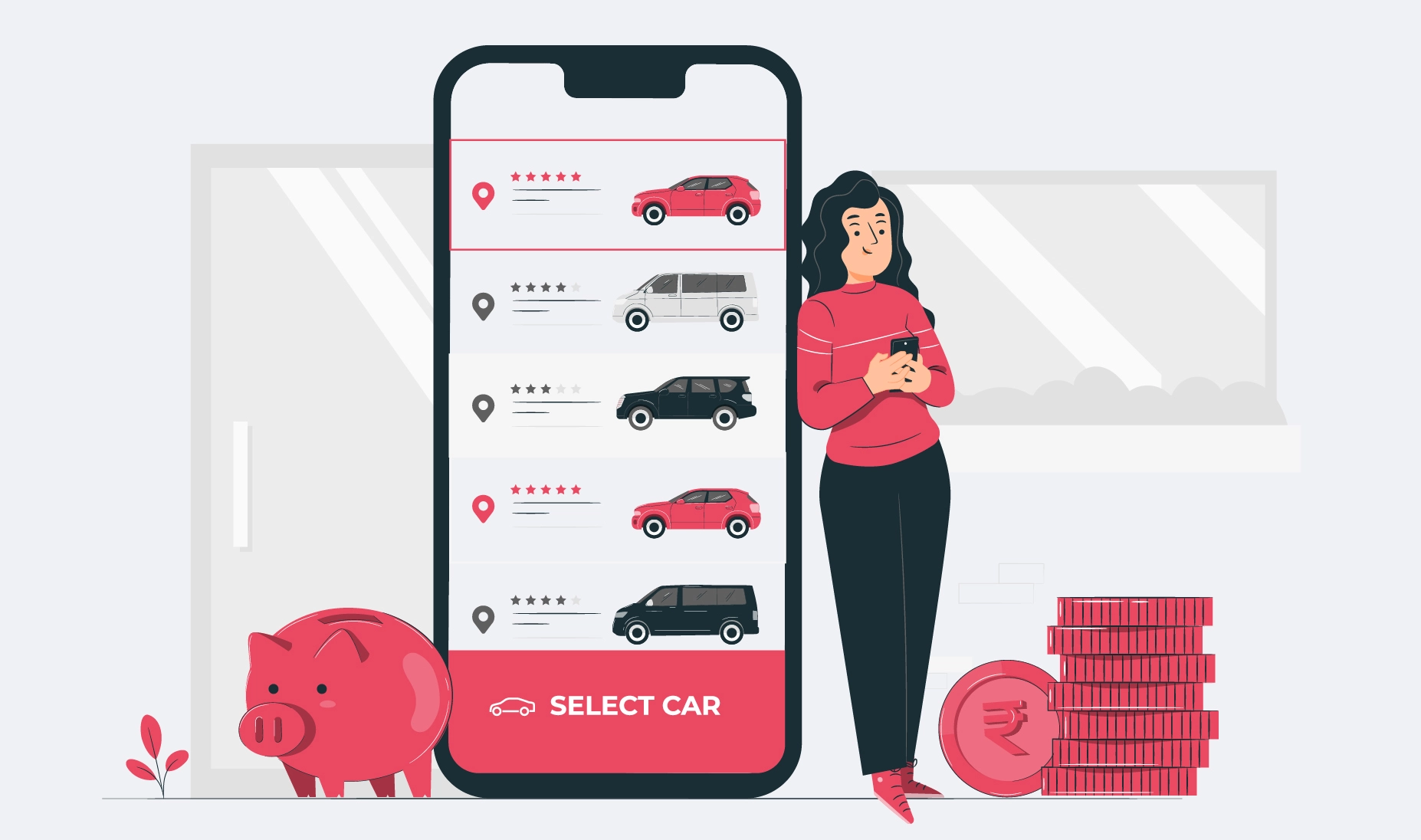
Buying a car doesn't always mean breaking the bank. If you're looking for an affordable vehicle that doesn't compromise on quality or reliability, 2026 is a great year to make your purchase.

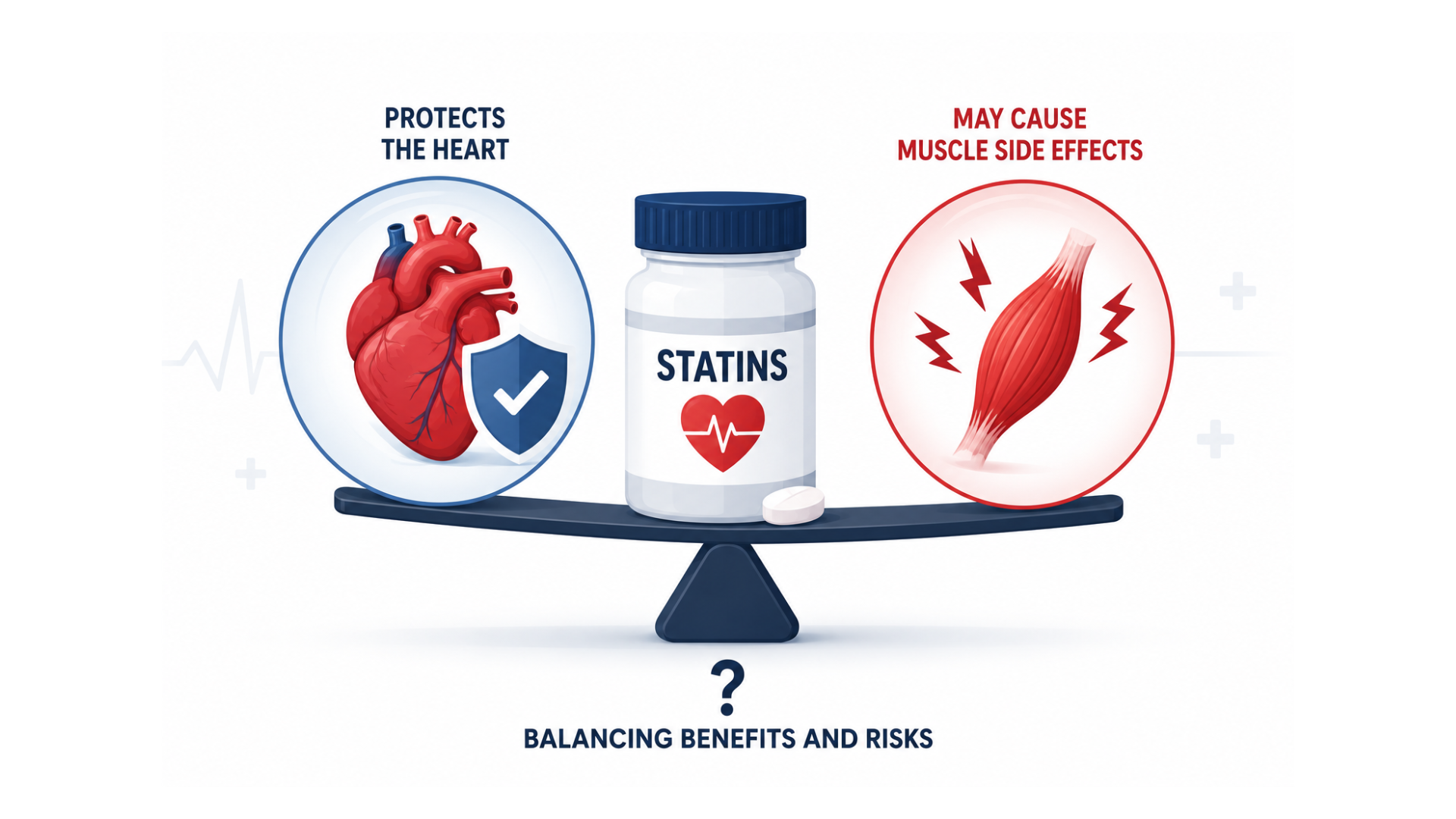
Statins are among the most commonly prescribed medications worldwide for reducing cholesterol and preventing serious cardiovascular diseases such as heart attacks and strokes.
Explore everything about the All-India National Permit in 2026. This detailed guide helps truck owners, fleet operators, and transporters understand fees, types, application steps, government rules, and tips to stay compliant while saving time and money on interstate logistics.
Commercial vehicles are the backbone of India's transportation and logistics industry. From trucks carrying goods across states to taxis, buses, school vans, ambulances, auto-rickshaws, and delivery vehicles serving daily commuters and businesses, these vehicles play a vital role in the country's economy.

By clicking the button, I authorize Paybima advisor to contact me via SMS, Email, Phone, WhatsApp or any other modes overriding my 'DND'.T&C Apply.
By clicking the button, I authorize Paybima advisor to contact me via SMS, Email, Phone, WhatsApp or any other modes overriding my 'DND'.T&C Apply.

 Car Insurance
